
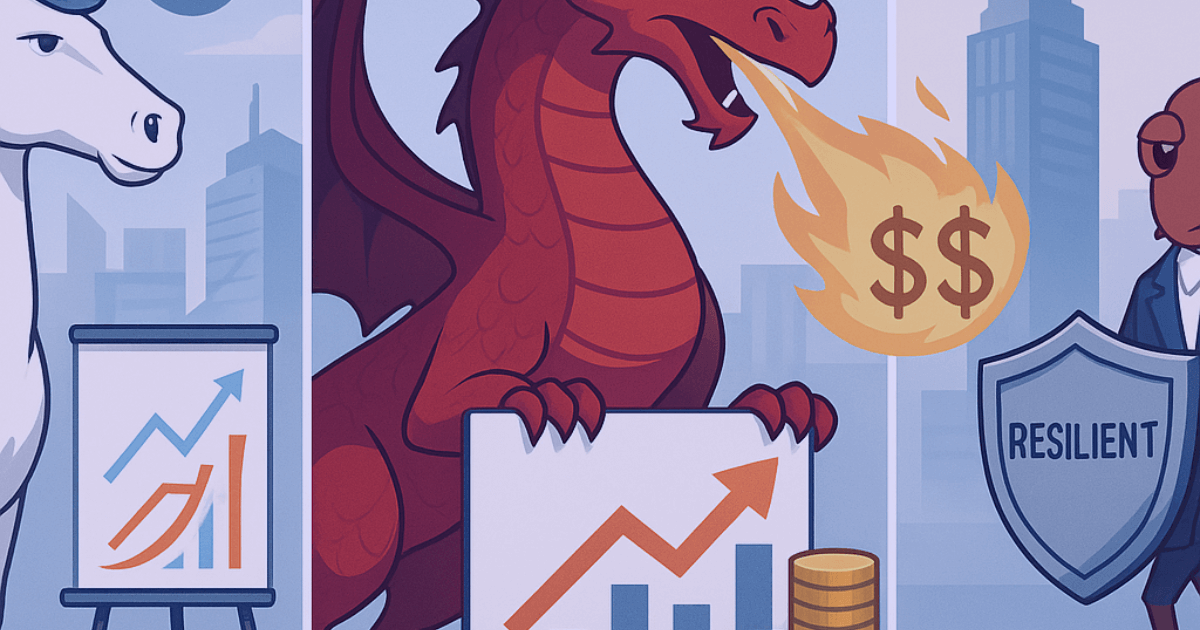
When it comes to finance, you hear a lot of words like investing, equity, stake, exit and more in the daily news. The start-up world is full of fascinating metaphors, and among the most popular are unicorns, dragons, and cockroaches. These terms aren’t just buzzwords—they represent distinct approaches to building and scaling businesses. If you’re a founder, marketer, or just someone curious about the start-up ecosystem, understanding these archetypes can help you navigate the entrepreneurial jungle.
Let’s dive into what makes these start-ups unique, their strengths, and what they mean for founders and investors.
Unicorn Start-ups: The Billion-Dollar Dream
A unicorn start-up is a privately held company valued at $1 billion or more. The term was coined by venture capitalist Aileen Lee to highlight how rare such companies are—like spotting a mythical unicorn. Think of companies like Airbnb, Uber, or Stripe. These start-ups are often characterized by:
- Rapid Growth: Unicorns prioritize scaling quickly, often at the expense of profitability.
- Massive Funding: They rely heavily on venture capital to fuel their growth, with investors betting on their potential to dominate markets.
- Disruption: Unicorns aim to revolutionize industries, often creating entirely new markets or redefining existing ones.
However, the unicorn path isn’t without risks. Many unicorns operate at a loss for years, burning through cash to achieve market dominance. If growth stalls or funding dries up, they can face significant challenges .
Dragon Start-ups: The Investor’s Jackpot
Dragons are a step above unicorns in the start-up hierarchy. While unicorns are defined by their valuation, dragons are start-ups that return $1 billion or more to their investors. Dragons are rare and represent the ultimate success story for venture capitalists. Companies like Facebook and Google are prime examples of dragons—they not only achieved massive valuations but also delivered extraordinary returns to their early backers.
For founders, becoming a dragon means building a business that not only grows but also generates significant value for stakeholders. Dragons are often unicorns first, but not all unicorns become dragons.
Cockroach Start-ups: Resilient Survivors
In stark contrast to unicorns and dragons, cockroach start-ups are all about survival and sustainability. These start-ups are lean, scrappy, and built to endure tough times. The term “cockroach” might not sound glamorous, but it’s a badge of honour in the start-up world. Here’s what defines them:
- Profitability Over Growth: Cockroach start-ups focus on generating revenue and achieving profitability early, rather than chasing rapid expansion.
- Resilience: They are designed to survive economic downturns, market shifts, and funding challenges.
- Lean Operations: With small teams and tight budgets, cockroach startups prioritize efficiency and adaptability.
Examples of cockroach start-ups include companies like Basecamp and Mailchimp, which have thrived without relying on external funding . These start-ups may not grab headlines like unicorns, but they often enjoy long-term stability and control over their destiny.
Which Path Should You Choose?
The choice between building a unicorn, dragon, or cockroach startup depends on your goals, resources, and risk tolerance. Here are some considerations:
- If you dream big and are willing to take risks: The unicorn or dragon path might be for you. Be prepared to raise significant funding, scale aggressively, and face intense competition.
- If you value control and sustainability: The cockroach model is ideal. It’s about building a business that can weather storms and grow steadily over time.
- If you’re an investor: Unicorns and dragons offer high-risk, high-reward opportunities, while cockroach startups provide safer, more predictable returns.
Final Thoughts
The start-up ecosystem is diverse, and there’s no one-size-fits-all approach to success. Whether you’re chasing the billion-dollar valuation of a unicorn, aiming to deliver massive returns as a dragon, or building a resilient cockroach start-up, the key is to align your strategy with your vision and resources.
At the end of the day, the start-up journey is about solving real problems, creating value, and building something that lasts—whether you’re a mythical unicorn or a humble cockroach. So, which one will you be? Where are you going to put your eggs?